

.webp)
At some point the house stops fitting the family. Not enough bedrooms, a kitchen that doesn't work, nowhere to put everyone at Christmas. The location suits you and you don't want to move, so the question becomes: do you renovate what's there, extend it, or knock it down and start again?
In 2026 more people are answering that question with renovate or extend than with rebuild. Across New South Wales, spending on renovations and additions has climbed back up, while knockdown rebuilds have eased off, partly because planning changes have made it easier to add to a home and partly because rebuilding a smaller block has become an expensive way to get what a good extension could deliver. Renovation and addition work now makes up a large share of all housing spending in the state.
That doesn't mean renovate is always the right call. It means the decision is worth thinking through properly, because the answer changes depending on your house, your block, and where you live. Around Western Sydney, the Hawkesbury and the Blue Mountains, the local conditions push that decision in ways a generic guide won't tell you. Here's how to weigh it up.

Renovate. You keep the existing structure and improve it. New kitchen, reworked layout, updated bathrooms, better flow. The footprint mostly stays the same.
Extend. You add to the home, out the back, off the side, or up with a second storey. You keep what works and add the room you're missing. For most families who like their house but need more space, this is the middle path.
Knock down and rebuild. You demolish the existing house and build new on the same block. You get exactly what you want, designed from scratch, but at the highest cost and the longest timeline, and you move out while it happens.
Most real projects are some mix of the first two. The rebuild question only comes up when the existing house has real problems or you want something completely different.
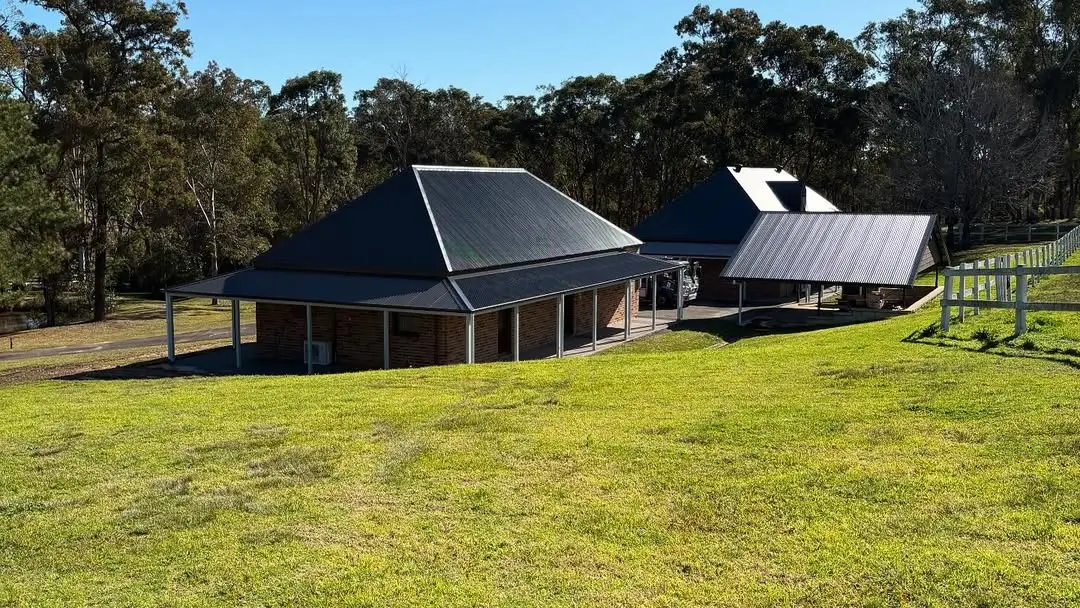
Strip away the noise and it's a handful of things.
Start with the bones. Solid foundations, a sound roof structure, decent ceiling heights and a workable layout are worth keeping and building on. A home with good bones is a renovation or an extension. A home where almost everything needs replacing, where the layout is fundamentally poor or the orientation is wrong, is where a rebuild starts to make sense. A structural engineer's or building inspector's report is the honest way to find out which one you've got, rather than guessing.
There's a rough rule of thumb you'll hear in the Sydney market: once a major structural renovation and extension gets up around sixty percent of what a new home would cost, a rebuild starts to look more attractive on the numbers. It's a general guide, not a law, and it ignores things like heritage value and how much you like the house. Every property is different, so treat it as a gut check rather than a number for your job. If you're spending most of the cost of a new home to patch up an old one, it's worth at least pricing the rebuild.
This one catches people out in 2026. In NSW, any renovation or extension with a build cost of $50,000 or more needs a BASIX certificate, and new homes and major works have to hit a 7-star NatHERS thermal rating, up from the old standard. Hitting that star rating in a brand-new design is reasonably straightforward. Reaching it in an older home, especially an uninsulated weatherboard or a double brick place, can take more work: better glazing, insulation, sealing. It doesn't rule out renovating, but it's a real cost to factor in, and it's one of the reasons a full gut-renovation sometimes edges toward rebuild territory. A rebuild lets you design the energy performance in from the start.
A rebuild means moving out for the length of the build, often a year or more, and paying to live somewhere else while you do. A renovation or extension can sometimes be staged so you stay put, depending on which rooms are affected. If staying in the home matters to you, or renting somewhere for a year isn't on, that alone can settle the question regardless of what the numbers say.
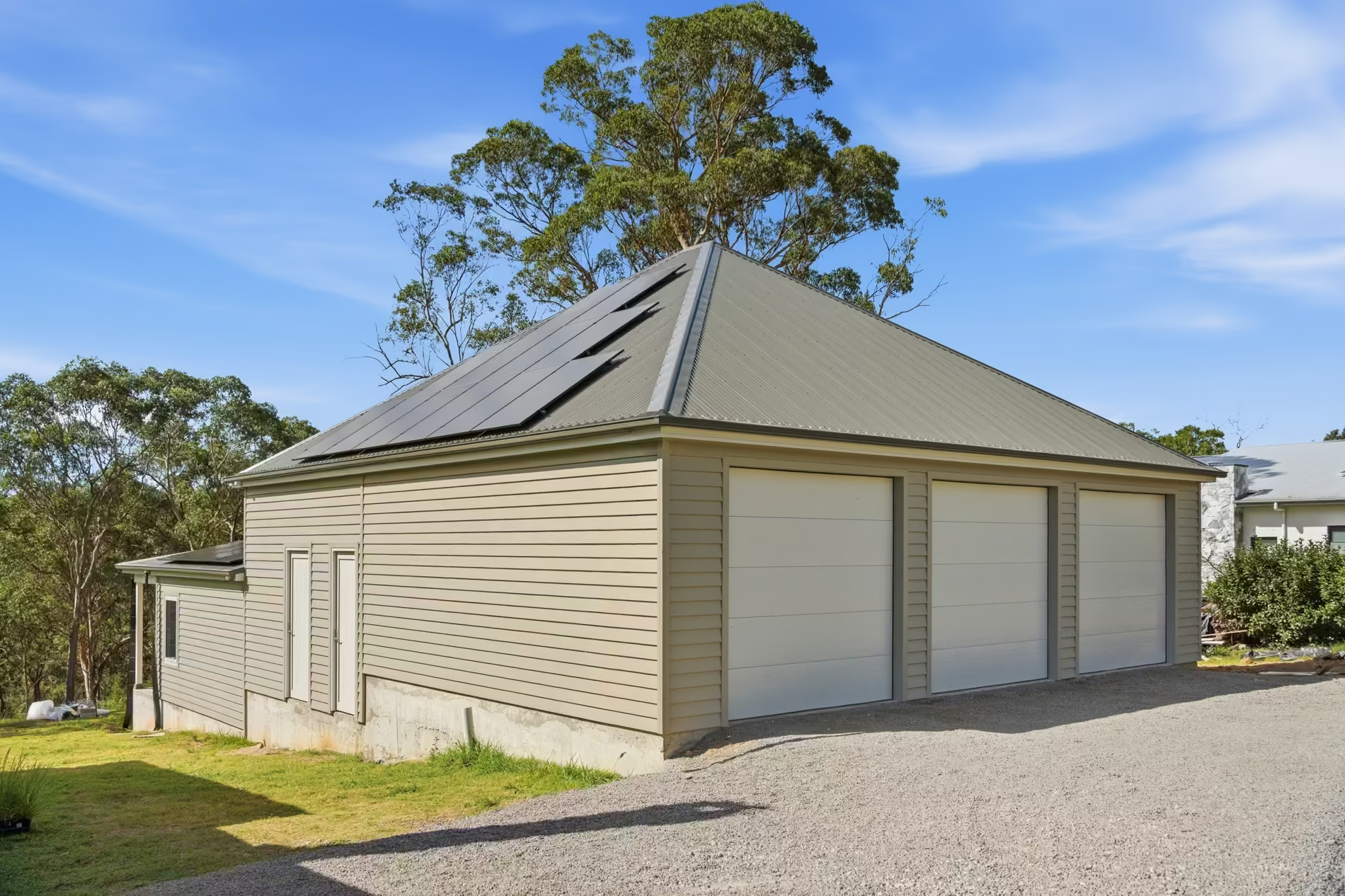
This is the part a generic Sydney guide skips, and it's exactly where the decision turns for homes around here.
A lot of Western Sydney is established family homes on regular blocks, brick places from the 70s, 80s and 90s that are structurally fine but dated and too small. These are usually renovation and extension territory. The bones are good, the blocks often have room to extend out or up, and rebuilding rarely stacks up when the existing house is sound. A reworked layout and an addition gets most families what they're after.
The Hawkesbury brings two things that change the maths. Heritage is one: Windsor and Richmond have older and character homes, and where a property sits in a heritage area, a knockdown rebuild may not even be allowed, which makes a sympathetic renovation or extension the path. Flood is the other. Parts of the Hawkesbury-Nepean floodplain carry controls on floor levels and construction, and those rules apply to a rebuild as much as a major addition. On the bigger rural and acreage blocks out here, there's usually room to extend generously, so building out is often the natural move.
The Blue Mountains is its own case. Bushfire is the big one: a lot of blocks carry a BAL rating that sets the materials and construction for any new work, and the higher the rating, the more it shapes both a rebuild and an extension. Sloped and escarpment blocks add earthworks and access to the picture, which can make a rebuild more expensive than the same house would be on flat land. Plenty of mountains homes also have genuine character worth keeping. More often than not, a well-designed renovation or extension that works with the block beats flattening it and starting again.
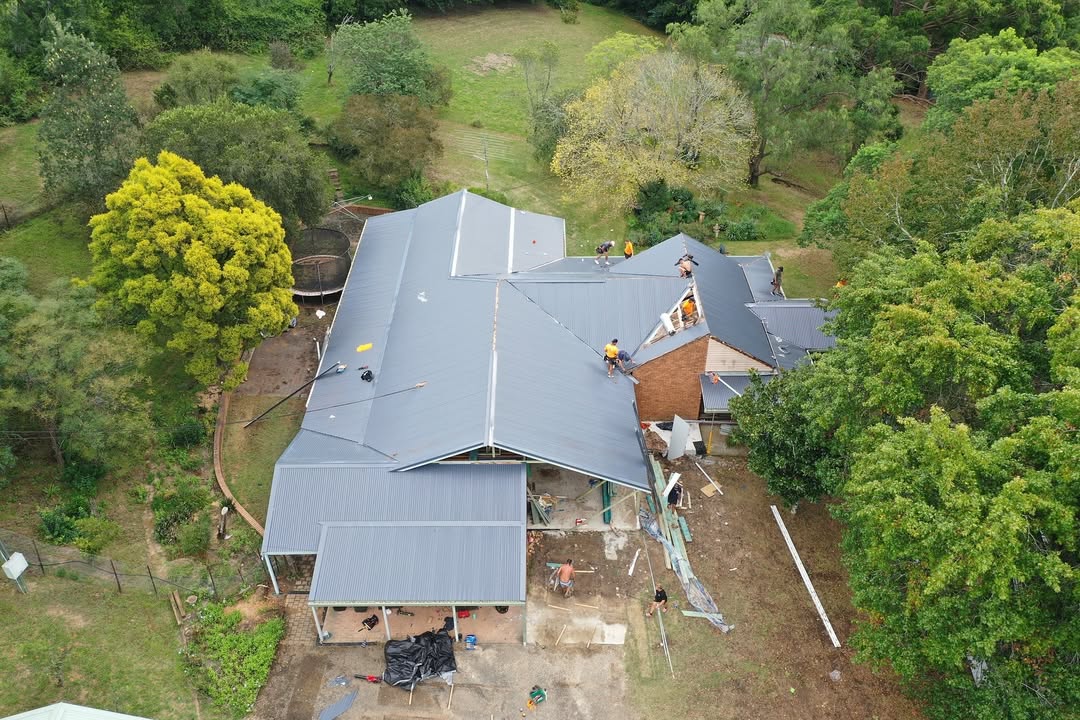
Renovating or extending is usually the better path when:
- The existing house is structurally sound and has decent bones
- You like the home and the street, and want to keep its character
- The block has room to add out or up
- You're in a heritage area where a rebuild is restricted
- You want to stay living in the home, or move in sooner
- The cost of the work sits comfortably below that rebuild crossover
For most families around Western Sydney and the Hawkesbury, this is where they land. The house is worth keeping. It just needs to be better and bigger.
A knockdown rebuild is worth serious thought when:
- Almost everything in the house needs replacing anyway
- The layout and orientation are fundamentally poor and can't be fixed by moving a few walls
- You want a substantially larger or completely different home
- The block allows it and heritage controls don't stand in the way
- The cost of renovating heavily gets close to the cost of building new
If you're gutting the place back to the frame and rebuilding half of it, paying to reach modern energy standards on an old shell along the way, the rebuild quote is worth getting. Sometimes new is the better value once you add it all up.
We build renovations, extensions and new homes, so we're not pushing you toward one answer to suit us. The honest path is to look at your actual house and block first.
We come out, walk through the home, look at the bones and the site, and talk through what each option really involves for your property. If the house is worth keeping and extending, we'll tell you. If you'd be better off rebuilding, we'll tell you that too. Then you get a fixed-price quote for the path that makes sense, with the trade-offs laid out plainly so you can decide with the full picture.
%20(1)%201.png)
The right answer depends on your house, your block and where you live, and the only way to know is to look at all three properly. If you're weighing up renovating, extending or rebuilding, we're happy to walk the property with you and give you a straight read.
We'll come out, look at the site, and talk you through the options and what each one involves. No obligation, no pressure, and a fixed-price quote for the path you choose.
Get in touch: Call Ben on 0422 406 608 or email admin@b-builtprojects.com.au

Two builders quoted the same job thousands apart? Here's how to read a quote properly, what PC sums and exclusions really mean, and a ten-point checklist for comparing them.
.svg)
.jpg)
Adding space to your home in the Hawkesbury or Hills District? Here's how building out compares to building up, what your block allows, and what to plan for.
Building on a sloped or acreage block in the Hawkesbury or Hills District? Here's how slope affects the design, the site work involved, and what councils look for.
%C2%A0%E2%80%94%20%D0%BA%D0%BE%D0%BF%D0%B8%D1%8F.svg)