


You get three builders to quote the same job. Same house, same plans, same brief. One comes back at a number you expected, one comes back higher, and one lands thousands below the rest. So which one do you trust?
Most people assume the cheapest quote is either the best value or a sign someone's cutting corners, and the dearest is a builder having a go at you. Usually it's neither. The gap between two quotes for the same job is rarely about one builder being greedy and another being generous. It's almost always about how each quote was put together, and what got left out of the cheap one.
This is the part of hiring a builder that trips people up the most, and it's the thing worth understanding before you sign anything. Once you know what's actually driving the difference, comparing quotes gets a lot simpler, and the surprises later get a lot smaller.
%20(1)%202.avif)
The number on the front of a quote feels like the thing to compare. It isn't. Two quotes can have very different front pages and be pricing the exact same work, because a big chunk of any build is made up of allowances, not fixed figures.
An allowance is the builder's best estimate for something that hasn't been locked in yet. Your kitchen appliances, your tapware, the cost of digging your footings. These get carried in the quote as a set dollar figure, and here's the catch: a builder can make their quote look cheaper simply by writing those allowances low. Nothing dishonest has to happen. The number on the front just looks better, and the difference shows up later when the real costs land.
There are two kinds of allowance worth knowing by name, because they behave differently and they're where most of the trouble lives.
A prime cost sum, usually written as a "PC sum," is an allowance for an item you'll pick later. Taps, door handles, an oven, the bathroom tiles. The builder can't price what you haven't chosen, so they carry a figure for it and you finalise it during the build.
Say a quote lists a $3,000 PC sum for kitchen appliances. If you choose appliances that come in at $3,000, you're square. If you fall in love with a $6,000 package, you pay the difference. If you go budget and spend $2,000, you're credited back.
The good news with PC sums is that you control them. Choose cheaper fittings and you pay less. The risk is that a builder can set them deliberately low to keep the headline price down, knowing full well most people won't find tapware or tiles at that number once they start choosing. The quote looks sharp on paper and creeps up the moment you make real selections.
A provisional sum, or "PS," is an allowance for a whole piece of work that can't be pinned down on signing day. The most common one is site costs. Excavation, rock removal, retaining, drainage. Nobody knows exactly what's under your block until they start digging.
This is the riskier of the two, and it's one of the most common causes of a build going over budget in Australia. The reason is simple: you don't control it. You can pick cheaper tapware to stay inside a PC sum. You can't choose to have less rock under your yard. If the builder's estimate for site works was low, either through genuine uncertainty or to keep the quote competitive, you pay the difference, and there's no cheaper option to fall back on.
On sloped and acreage blocks, which is a lot of what gets built around the Hawkesbury and Hills, site costs are exactly where an underquoted provisional sum hurts. It's one of the reasons we walk every block and factor the site work in properly before quoting, rather than dropping in a hopeful number and sorting it out later.
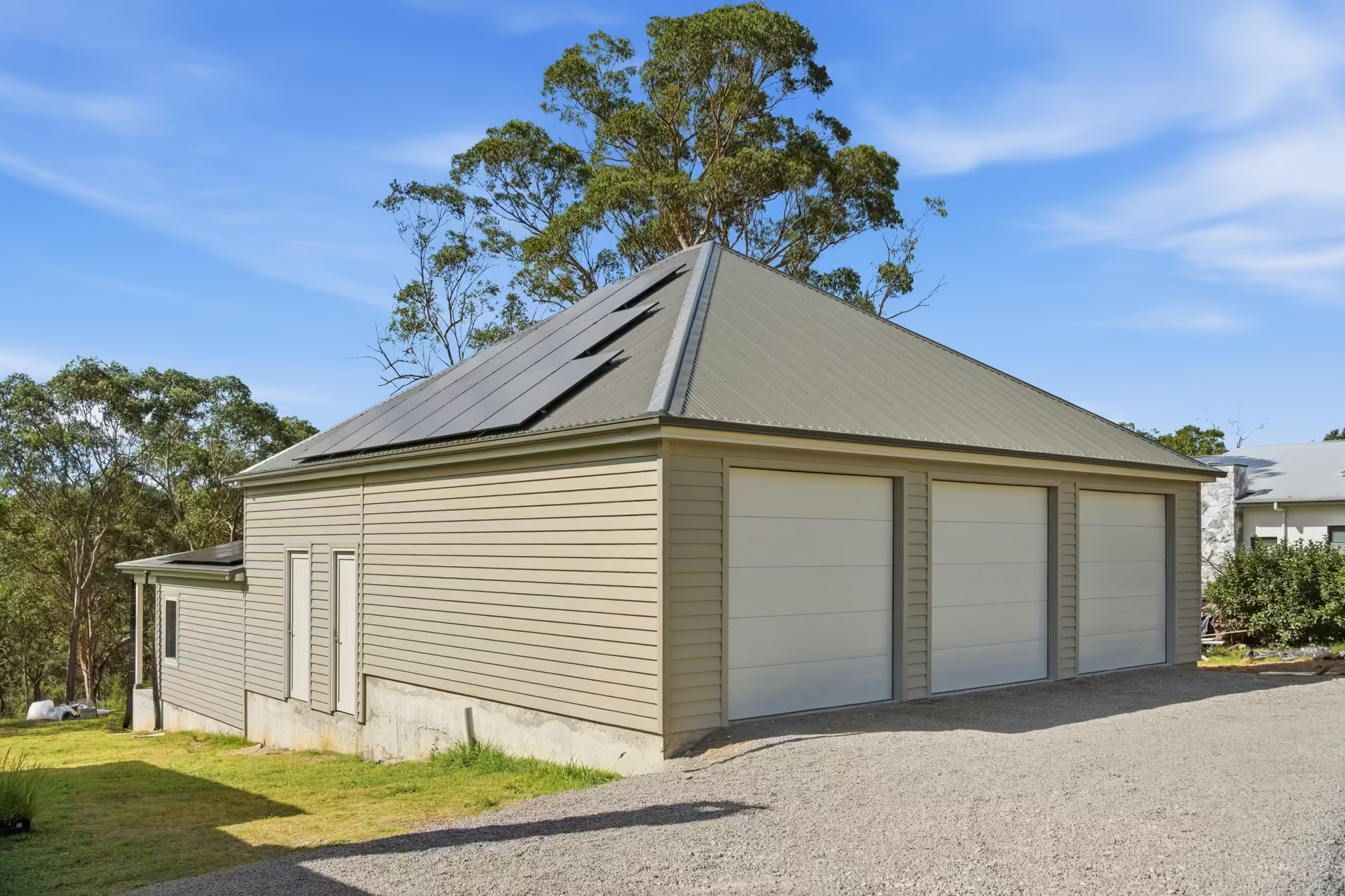
This is where people feel caught out. You signed a fixed-price contract, you didn't change a thing, and six months in you get a variation for thousands of dollars. How?
Because "fixed price" applies to the work that was actually priced. The allowances were always estimates. If your selections come in above the PC sums, or the site works come in above the provisional sum, those differences are charged on top. Multiply that across the oven, the tapware, the flooring, the excavation and a handful of other lines, and a build can go well over budget without a single thing going wrong on site. The guesses were just low.
None of that means fixed-price contracts are a trap. It means the honesty of the quote sits in the allowances, not the headline number. A builder who writes realistic allowances shows you a higher, truer figure up front. A builder who writes skinny allowances shows you a lower number that won't survive your actual choices.
Something worth knowing about how allowances work when the real cost lands. When an allowance runs over, the builder's margin generally applies to the amount above the allowance, not the whole cost of the item. When one comes in under, you're credited the difference. Exactly how that credit is worked out can depend on the contract, so it's worth reading that section before you sign, or asking the builder to walk you through it, so you know how any adjustment gets charged.
The other thing driving the gap between quotes is what each one quietly leaves off. Common ones:
- Site costs, stormwater and retaining left out of one quote and included in another
- Services connections, water, power, sewer, especially on rural and acreage blocks
- Council and certification fees
- Demolition or removal of existing structures
A quote that excludes these looks cheaper than one that includes them, for the same job. It isn't cheaper. The cost still lands, it's just been moved off the front page and into your lap later.
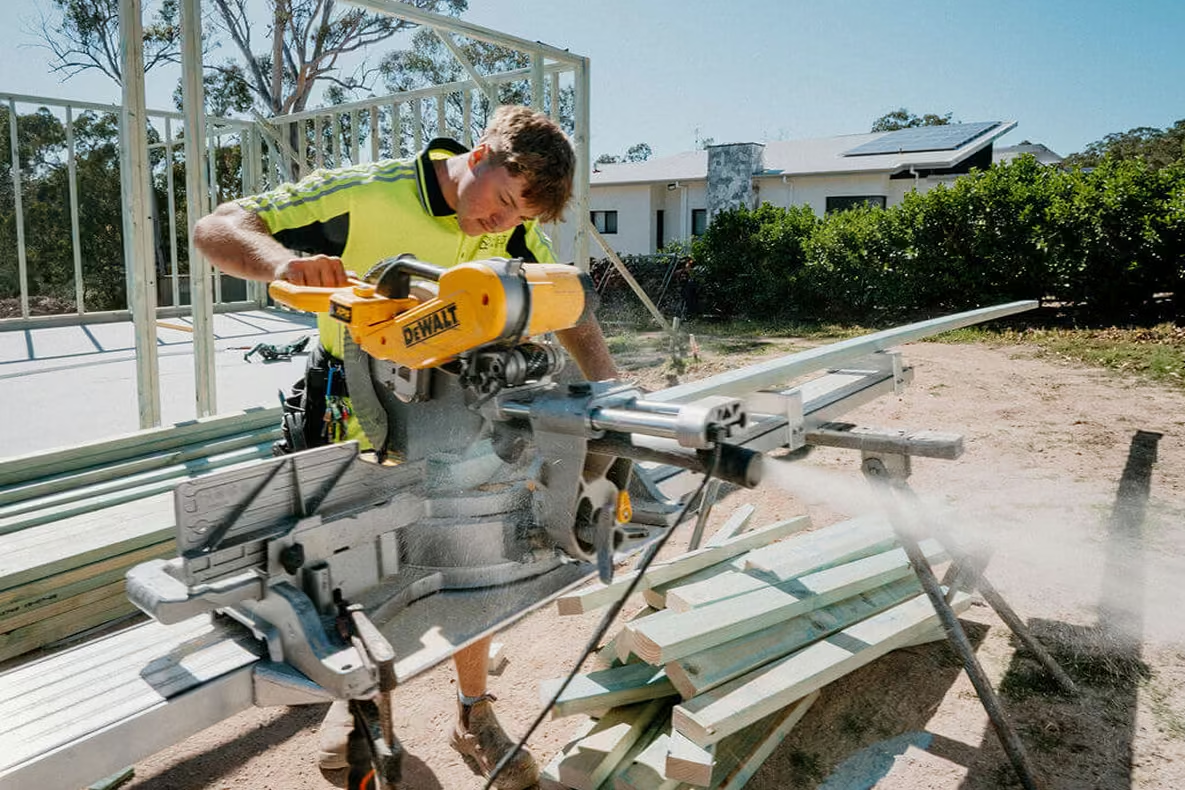
The fix for all of this is to force a like-for-like comparison. A few things that make the difference:
Give every builder the same brief.
Same drawings, same specifications, same list of what you want. If each builder is quoting a slightly different scope, the numbers can't be compared. This is the single most useful thing you can do.
Specify your fittings by brand and model before you sign.
Every fitting you actually choose is a line that can no longer blow out. NSW guidance says the same thing: pick your appliances and fixtures by name so they can be priced, not guessed. It turns PC sums into real numbers.
Check the allowances, don't just read the total.
A "$8,000 kitchen" allowance tells you almost nothing on its own. Ask what it assumes. Compare the PC sums for kitchens, bathrooms and flooring against what those things actually cost from a supplier. Low allowances are where a cheap-looking quote hides.
Read the exclusions as carefully as the inclusions.
Make sure every room, every structure and every part of the site work appears somewhere. The gap between two quotes is often just one page of exclusions.
Be wary of the outlier.
If one quote sits well below the others for the same scope, the allowance schedule is the first place to look. It's usually where the difference lives, and it usually means you'll pay it back later.
Run every quote through this before you compare totals. If a quote fails a few of these, the low number won't hold.
A quote worth trusting is detailed and itemised, with allowances set at realistic numbers rather than hopeful ones. It's clear about what's included and honest about what's an estimate. It shows you a number you can actually plan around, even when that number is higher than the sharpest quote on the pile.
That's the way we approach quoting. We come out and look at the site first, because the block and the conditions drive so much of the real cost. Our aim is a fixed price built on realistic numbers, so you understand what you're paying for and there are no surprises halfway through. If anything in the quote isn't clear, we'll talk it through with you.
Usually because of low allowances or exclusions, not because the work costs less. A quote can carry skinny PC and provisional sums, or leave off site costs and fees, which makes the front number look sharp. The cost still lands later. Compare the allowances and exclusions, not the total alone.
A PC sum is an allowance for a fitting you'll choose later, like taps or appliances, and you control the final cost through your choices. A provisional sum is an allowance for work that can't be priced yet, like excavation or site costs, and you don't control it. Provisional sums carry more risk.
Yes. Fixed price applies to the work that was actually priced. If your selections come in above the PC sums, or site works come in above the provisional sum, those differences are charged on top. Realistic allowances up front are what keep this small.
Specify as much as you can before signing, by brand and model, so allowances become real prices. Give every builder identical plans and specs. And check the allowances against actual costs rather than trusting the headline figure. The more you lock in early, the fewer surprises later.
Not on the number alone. The cheapest quote is sometimes the one with the least included and the most optimistic allowances, which can end up the dearest by the time the job is done. Compare on scope and allowances, then decide.
%20(1)%201.png)
The number on the front of a quote only means something once you know what's behind it. If you're comparing builders and not sure what you're really looking at, we're happy to walk you through it.
We'll come out, look at the site, and talk you through a fixed price built on realistic numbers, with the allowances explained. No obligation, no pressure, and no surprises later.
Get in touch: Call Ben on 0422 406 608 or email admin@b-builtprojects.com.au
.webp)
Deciding if you should renovate, extend or knock down and rebuild in 2026? Here's how to weigh it up for a Western Sydney, Hawkesbury or Blue Mountains home.
.svg)
.jpg)
Adding space to your home in the Hawkesbury or Hills District? Here's how building out compares to building up, what your block allows, and what to plan for.
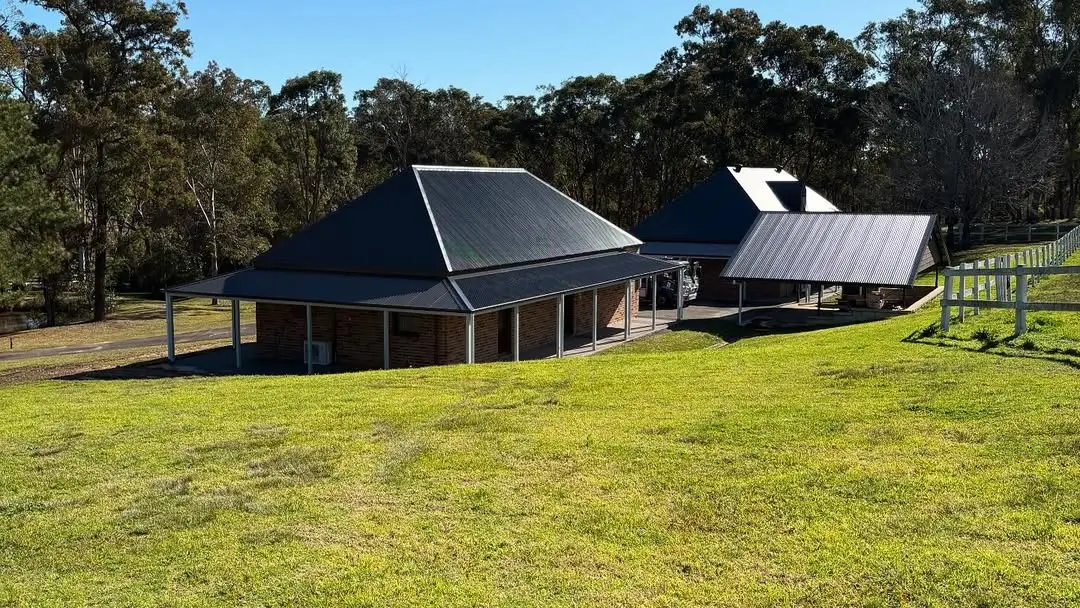
Building on a sloped or acreage block in the Hawkesbury or Hills District? Here's how slope affects the design, the site work involved, and what councils look for.
%C2%A0%E2%80%94%20%D0%BA%D0%BE%D0%BF%D0%B8%D1%8F.svg)